
Federal law gives you 14 days to review a franchise agreement before you can sign it. In practice it’s 16 — the day the document arrives and the day you sign are both excluded from the count. Most candidates spend that window waiting. The ones who do well spend it investigating, and I’ll come back to what that involves.
Learning how to become a franchise owner means moving through a sequence more structured than most first-time buyers expect: inquiry, discovery conversations, disclosure review, financial qualification, territory selection, application, signing, training, and opening.
End to end, a service franchise commonly runs three to six months, longer with SBA financing or a complex territory. Every stage has a purpose, and at each one you’re being evaluated as closely as you’re evaluating.
Enquiry to Discovery Day:
The first call is mutual filtering. You’ll cover investment ranges, territory availability, and background; the franchisor is checking financial capacity and whether your experience suits the model.
Discovery Day follows — typically a structured visit with facility tours, sessions with the leadership team, and open Q&A. Serious candidates generally reach a decision within 45 to 60 days of first contact. Understanding how to buy a franchise business properly means arriving with questions rather than waiting to be sold to.
What they’re assessing
Franchisors weigh three things: financial capacity, cultural fit, and operational readiness. The third catches candidates off guard. The process is itself the test. How promptly you return documents and whether you respect the sequence tells a development team whether you’ll follow an operating system once you own a territory. They read that behavior deliberately.
Note too that most brands gate access to current franchisees until you’ve shown commitment. Item 20 of the disclosure document lists franchisees who left the system, with contact details, and nobody gates those.
The FDD and the Clock You Can’t Waive:
Under the FTC Franchise Rule, you must receive the Franchise Disclosure Document at least 14 calendar days before signing any binding agreement or paying any money. The count excludes both the delivery date and the signing date, so a document received on the 1st can’t be signed against until the 16th.
Three details matter more than the headline:
- It covers all money, not just the franchise fee. Territory reservation fees, training fees, and on boarding charges all trigger the clock — and labeling a payment “refundable” doesn’t exempt it.
- You cannot waive it. Even if you want to move faster, the period stands.
- A separate seven-day rule applies to material changes. If the franchisor unilaterally alters terms after delivering the FDD — commonly by filling in your territory definition — the revised agreement must reach you seven calendar days before signing. Changes you negotiate yourself don’t restart that clock.
Several states go further than the federal minimum, some counting business days rather than calendar days. Treat 16 days as a floor and plan for 30.
What to do with the window
- Read Items 6, 7, 19, 20, and 21 first — fees, investment, financial performance, turnover, and the franchisor’s own financial.
- Call three former franchisees from Item 20 and ask what they’d do differently.
- Engage a franchise attorney, not a general practitioner. Flat-fee reviews commonly run $1,500 to $3,000, and firms advise booking before the FDD lands, since a thorough review takes five to seven business days and rush work can cost extra.
- If financing, confirm the brand appears in the SBA Franchise Directory before anything else.
- Model working capital past the disclosed initial period — three months is the common disclosure, and few businesses reach break-even that fast.
Qualification, Territory, and the Application:
Financial qualification runs alongside disclosure review. SBA startups face a 10% minimum equity injection calculated against total project cost, and approval commonly takes 45 to 90 days with a Preferred Lender.
Territory selection usually overlaps. The franchise application itself is brief by this stage, since earlier conversations covered the substance — but it’s the document the award decision is made against, so treat it as consequential rather than administrative.
Anticipate one pressure point. After Discovery Day, many franchisors set a soft deadline, often a week, warning that the territory reopens otherwise. That urgency and the federal waiting period pull in opposite directions. The waiting period is law; the deadline is a sales technique.
From Signing to Opening Day:
Signing gets you a license. Training turns it into a business.
Initial training typically covers technical certification, operating procedures, estimating, and back-office systems. Then the practical work of opening begins: equipment and vehicles delivered and outfitted, licensing and insurance bound, and — in restoration particularly — introductions to the adjusters, carriers, and property managers who generate referrals. That last piece is where an established brand shortens a ramp an independent would spend two years building.
Ask concrete questions before committing: how long is initial training, what does it certify, who supports you in month six, and what happens when a launch stalls. The case for why buy a franchise rather than building independently rests largely on those replies.
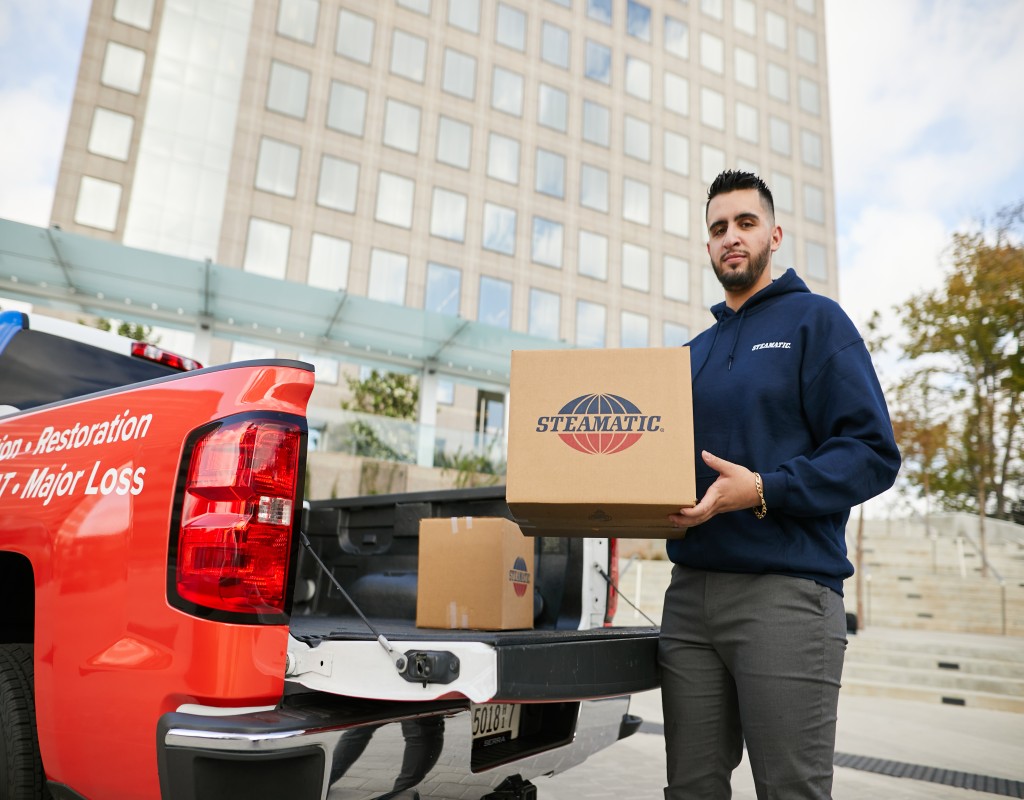
Steamatic has operated since 1968, and its franchise program sets out the training and on boarding sequence, while the service network shows the work a new owner is trained to deliver. Ask specifically what the first 90 days after opening involve.
FAQs:
Q1. How long does the whole process take?
Commonly three to six months for a service franchise. Financing and territory complexity extend it; nothing meaningfully shortens the disclosure period.
Q2. Can I speed up the 14-day period?
No. It can’t be waived or shortened, even at your request, and some states require longer.
Q3. What disqualifies a candidate?
Usually insufficient capital or liquidity. Responsiveness during the process matters too, since franchisors treat it as a proxy for how you’ll operate.
Q4. Do I need industry experience?
Rarely. Most systems train the technical side and weight management experience, financial capacity, and willingness to follow the playbook more heavily.
Final Thoughts:
The pacing of buying a franchise is the protection. Sixteen days is enough to work through the disclosure, reach people who’ve left, and get an attorney’s opinion — but only if you start on day one instead of day twelve.
And once the paperwork clears, what you’ve actually bought is the support model. Judge that hardest, because it’s the part you’ll live with for the length of the agreement.